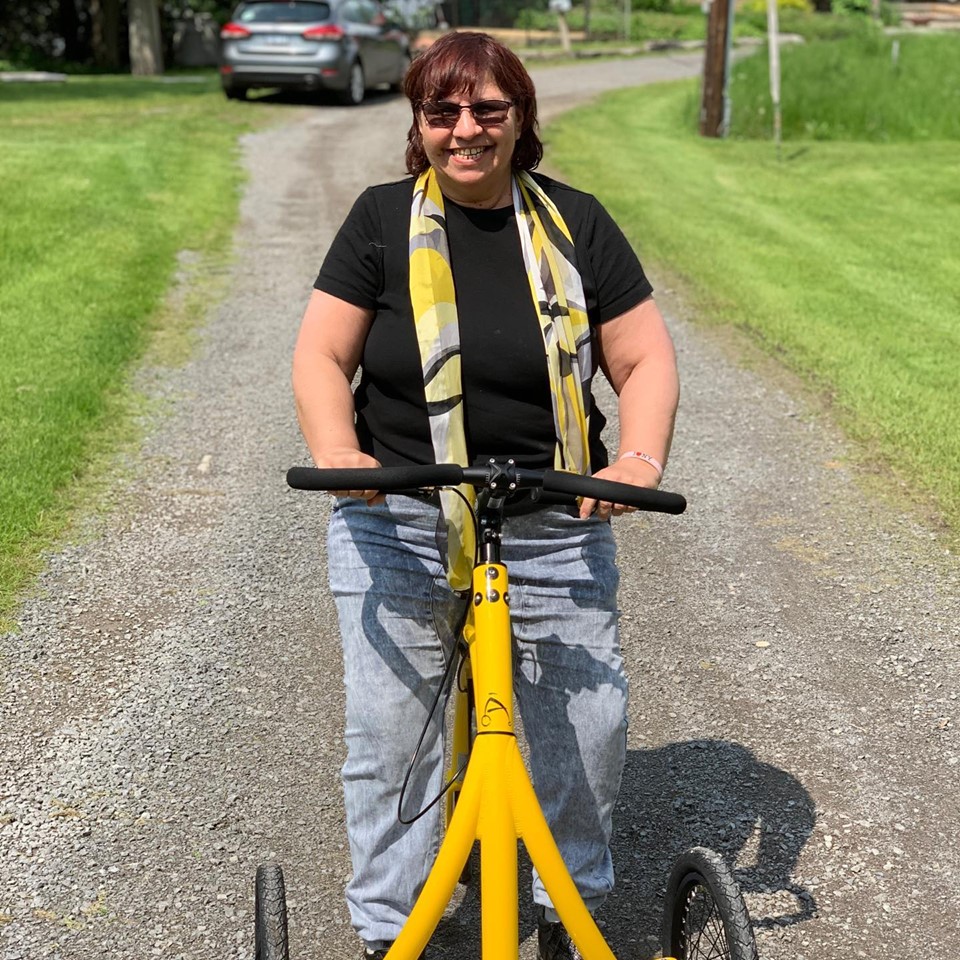
In 2018 I suffered a stroke. Illness doesn’t just affect the person diagnosed; it ripples through the whole household. Each family member is integral to the healing process. I spent a few weeks in a rehabilitation hospital after suffering a stroke after an operation. I was fortunate my son came home to help.
This experience has been a deeply personal journey, and writing about it feels unusual for someone as private as me. Nonetheless, it has been a few years I believe sharing my story helps other people.
The stroke left me with temporary left-side inattentiveness, or neglect, which means my brain conveniently ignores things on my left side. My left eye still sees, but my brain needed a nudge to notice. It’s an odd, fascinating challenge—and one that’s forced me to be creative. Thankfully with time and games on my ipad this issue has been resolved.
To complicate matters, shortly after arriving at the hospital, I noticed an issue with my right eye as well. Thankfully, Dr. Finestone AKA (Finest one) took my concerns seriously. He acted swiftly, booking me an appointment with a specialist at the Eye Institute within an hour! I promptly felt confident in his care. His curiosity and efficiency reassured me that I was in capable hands.
As I began processing everything, I realized this journey would need patience, resilience, and adaptation. Fortunately, patience and determination are traits I’ve leaned on throughout my life. While dealing with a stroke is uncharted territory for me. I’ve faced challenges before and found ways to adapt—this was no different.
Adapting hasn’t been easy, but I’ve embraced the opportunity to learn about neuroplasticity—how the brain can form new pathways. Books by Dr. Oliver Sacks and others like Dr. Wahls have shown me that, with commitment, diet and the right strategies, improvement is possible.
I believe that how you respond to a situation makes all the difference. Attitude matters: It won’t change the facts, but it can change how you experience them.
The care and compassion I experienced in the rehabilitation hospital also played a huge role in my recovery. One doctor made me feel like more than just “the stroke in room 420.” Every morning, he’d stop by to chat, and those moments made me feel seen and valued. Nurses and therapists brought smiles and humor to their interactions, transforming the hospital into a truly healing space.
I’ve also leaned on Buddhist philosophy and meditation, which have kept me grounded. I remind myself to live in the current moment—the past is gone, and the future hasn’t arrived yet. Sure, there are frustrating moments, but I’m determined to approach this new chapter on my own terms.
These days, I have to work harder to be aware of my left side. It’s a challenge, but it’s also teaching me to be more present in everything I do. That’s not such a bad thing! Despite the difficulties, I can walk, talk, read (even if it’s slower), and enjoy the activities I’ve always loved.
Most importantly, I’m still me. This stroke doesn’t define me—it’s just one part of my story. With the support of my husband, son, and friends, I kept moving forward.
Life is unpredictable, but it’s within our power to choose how we face it. I choose to move forward with resilience, gratitude, and a determination to live fully. Even if it means hitting life’s curveballs a little differently. Another book I recommend is Man’s Search For Meaning- Viktor Frankl
 From the Shores of the Ottawa River
Leave a comment