Finding purpose in life

Human beings are inherently social; a sense of belonging is a fundamental psychological need. Whether through relationships, family, or professional environments, connection to others shapes our identity and well-being. In Japanese culture, the concept of ikigai—meaning “reason for being”—describes the intersection of purpose, passion, and fulfillment.
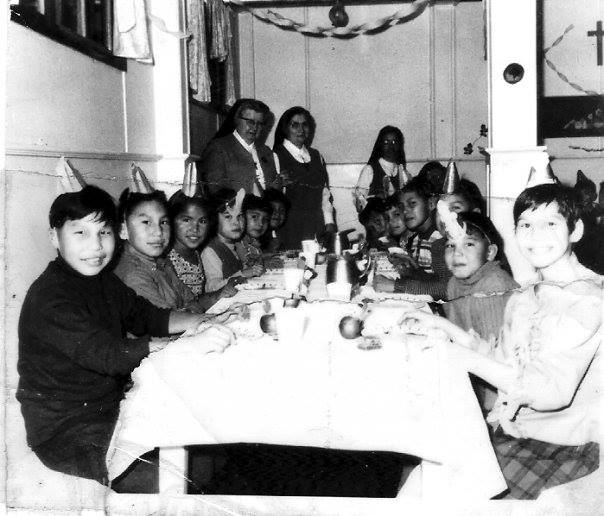
I attended Holy Angels Indian Residential School, located in a small hamlet in Alberta, for seven years. I know that cultural genocide Is real. The cultural genocide experienced by Indigenous peoples in Indian residential schools aimed to decimate the spirit. It also intended to eradicate their culture. purpose of Indian residential schools was to decimate Indigenous culture and identity. They almost succeeded.
Although I did not personally experience sexual or emotional abuse.,unfortunately , some of my siblings and former classmates who attended the same institution did. I am seated in the front with my brothers who experienced untold trauma.
Years later, I became a university student studying Culture and Arts at the University of Warsaw. During this time, I had the opportunity to visit significant historical sites. These included churches and former concentration camps. During a visit to Auschwitz, I had a powerful emotional response. I was standing in the area where Holocaust victims were gassed in the showers. I left the group, sat outside, and cried—a moment that made a lasting impact on me. How can humans be so cruel. The climate of the day with President Trump is divisive and has echos of Nazi Germany. We must not allow the hatred to take hold, history has demonstrated how far it will go
. Indeed, the extermination policies, like those implemented during the Holocaust, had profound effects. They were devastating for individuals and communities. The Nazi regime systematically murdered millions. This included Jews, Romania people, and disabled individuals. Others deemed undesirable also suffered. These actions led to immense suffering and loss. The survivors of these atrocities often faced long-term psychological trauma and struggled to rebuild their lives 1. But it also gave them a purpose for living. And to never allow people to forget this history.
My time in the Indian residential school system was significant. I also observed the remnants of genocide in Europe. These experiences shaped my understanding of trauma and human behavior. They sparked a lifelong commitment to addressing the long-term effects of such suffering.
I committed to serving for several years on the board of the Nechi Institute: Centre of Indigenous Learning. During my tenure, I held the roles of Vice-Chair and eventually Chairperson. In 2021, I resigned from that role.
Afterward, I founded a charitable Foundation Known as Seventh Generation Indigenous Foundation and Training ( GIFT) http://www.seventhgift.ca It focuses on addressing addiction and trauma in First Nations communities by including land base cultural teachings.
In conclusion, It is Through personal experiences, I discovered my ikigai. If you pay attention, you’ll find yours through your own experiences. My purpose is to support those healing from trauma and addiction. I host Empathetic Witness podcast to continue the conversation.
i
I
I
T
My guiding principle—my ikigai, as it’s known in Japanese—is simple: to help others heal.
,
I
Similarly, the cultural genocide experienced by Indigenous peoples in Indian residential schools aimed to decimate t
 From the Shores of the Ottawa River
Leave a comment