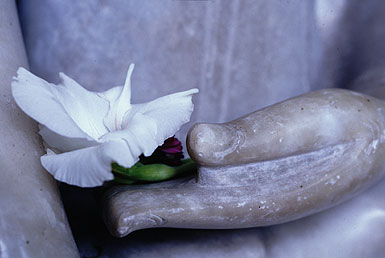
Non-Attachment
We are creatures of habit, often living on autopilot. But until we start paying attention—until we become mindful—life can pass us by in the blink of an eye.
For me, mindfulness means being available and aware in each moment. It hasn’t always been easy, but with regular meditation practice, it has become more natural over time.
I used to tightly control every aspect of my life—my relationships, my children, even things far beyond my influence. I’ll admit it: I was a control freak. As a methodical planner, I would think through every possible outcome before taking action. But living this way was exhausting. It’s stressful when so much in life is beyond our control. So the real question is: how do we let go of that need to control—and do we even want to?
As I began meditating more regularly, I discovered powerful teachings online—particularly from Bodhidharma—and I slowly began to ease my grip. Now, when I feel the urge to control, I pause and ask myself, Does this really matter right now?
Take a trip to to speak at a conference in Australia a few years ago. I found myself dreading the long journey to get there. But midway through complaining to a friend, I had an epiphany: the journey doesn’t start when I land in Melbourne. The travel is part of the journey. So I made a conscious decision to embrace the whole experience—even the uncomfortable parts. If the flight was delayed, if I sat next to a grumpy passenger, if my luggage got lost—so be it. I told myself, Ha! It just doesn’t matter. It will be what it is. No worries.
And then, the airline rescheduled my flight. I was no longer traveling with my husband and son on the first leg. We’d meet in Los Angeles and continue together from there. When I called the airline, I noticed that my ticket had only one of my names. This was different from what was printed on my passport. That meant potential trouble with immigration, even possible denial of entry into another country.
I took a deep breath in, a slow breath out, and headed straight to the passport office. Thankfully, it was resolved, and I was issued a new passport.
Letting go of control doesn’t mean doing nothing. When something happens, it’s important to pause, silence the mind, focus on the breath, and assess the situation. Ask yourself: What can I do right now? Then take action—not with panic or frustration, but with calm determination. Too often, it’s our emotions that cloud our judgment and prevent us from seeing solutions.
One of my favorite teachings from Ajahn Brahm, a Buddhist monk I follow, is about flight delays. He reminds us that getting angry at the airline won’t make the plane arrive any sooner. Yelling at the attendant also won’t speed up the arrival. Instead, relax and enjoy the unexpected adventure.
Freedom comes from releasing the need to always be in control. But just as important is learning when to act—and doing so with calm and clarity. Wisdom lies in knowing the difference.
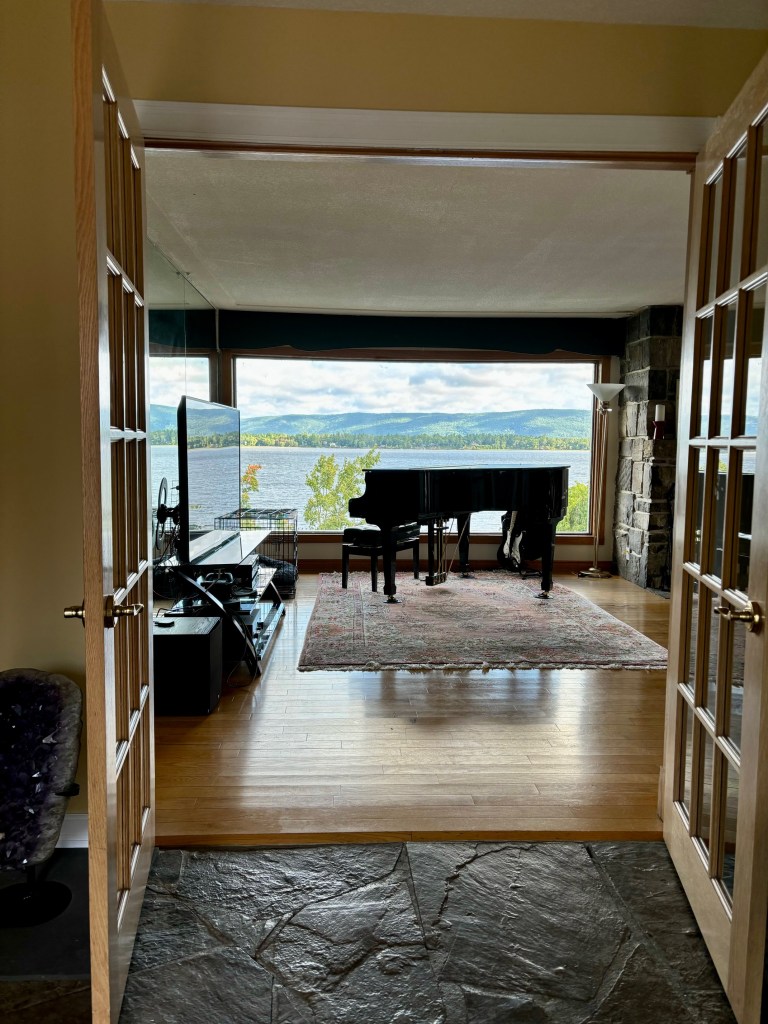

 From the Shores of the Ottawa River
Leave a comment