Oral traditions are the vibrant essence of our Denesuline culture. Long before written words existed, knowledge flowed from mouth to ear, from Elder to child, and from heart to heart. These narratives were not merely for amusement; they were vessels of law, memory, instruction, and prophecy.
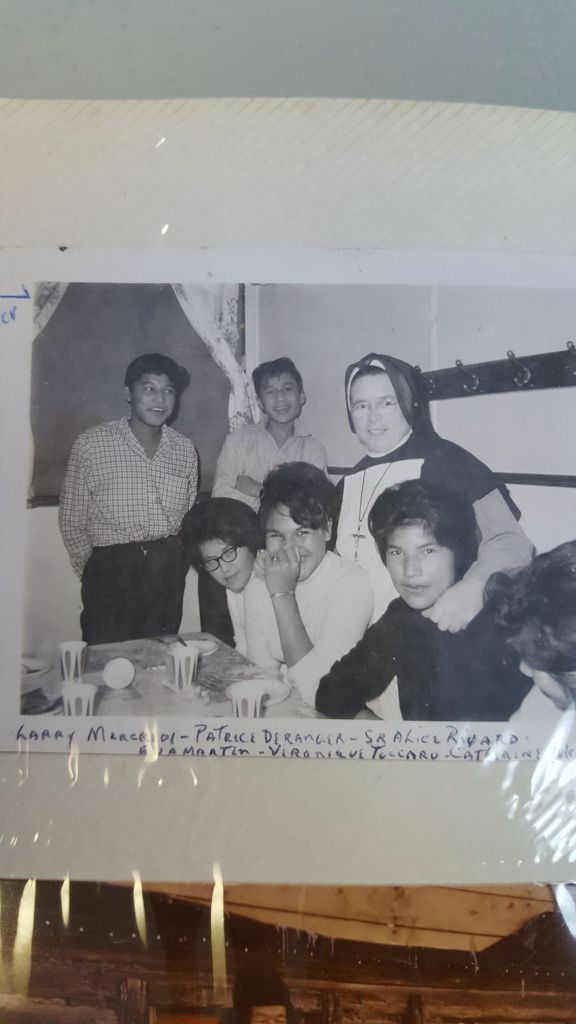
In our family, storytelling was a means of survival. It was how we retained our identity. Each sibling proudly carried this flame. Roger spoke in riddles and prophecies, urging us to heed the old ones’ warnings. Peter shared teachings about the animal people and the natural world, emphasizing our connection to the land and its lessons. Dora relayed stories of medicinal plants, always infused with humor and respect. Annie, our language teacher, kept the Dene tongue alive. She wove tales that were not just spoken but sung in our ancestral language.
Remarkably, the Canadian government attempted to erase our identity through residential schools, forced assimilation, and silencing. Despite these efforts, our family has preserved the Dene language. This survival is nothing short of miraculous. Speaking and sharing stories in our language today stands as an act of resistance, love, and continuity. here with my brothers at Holy Angels Indian residential school.
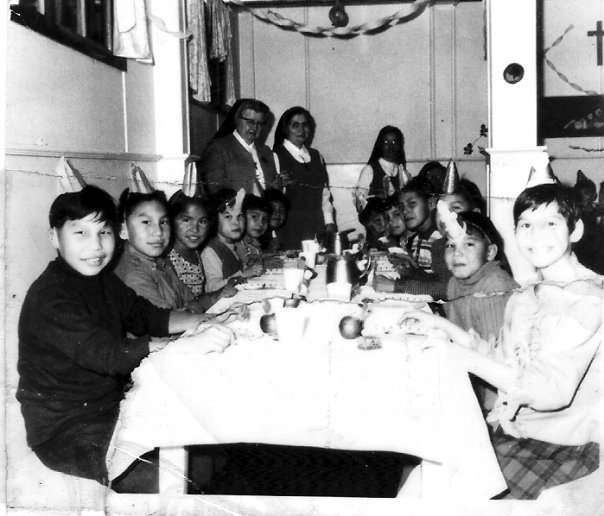
As children, we were cautioned against believing in “those old stories,” labeled as superstitions by missionaries. Yet now, I understand—they were sacred maps. Our ancestors embedded within those tales our laws, ethics, and essential survival skills. My siblings have ensured these stories stay alive.
I am deeply grateful for my family’s resilience. Each member continues the oral tradition in their unique way—through ceremony, conversation, and laughter around the fire. The stories endure because we still listen.
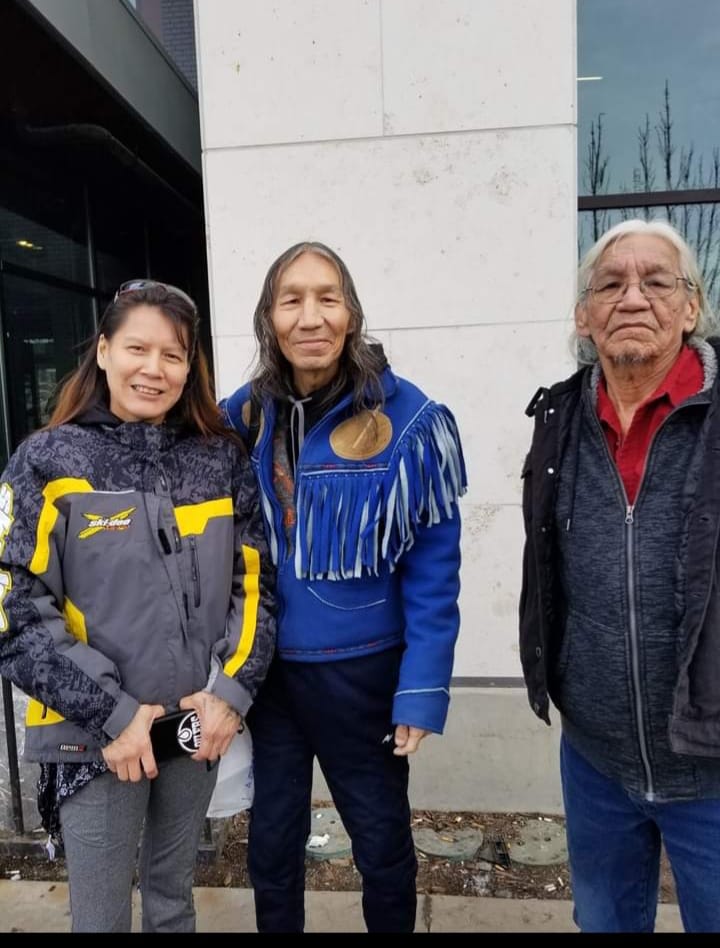
In a world that often prioritizes speed and forgets its roots, our oral traditions serve as our guiding compass. Through them, we remember. Through them, we heal. My oldest Sister Pix. Late brother, Roger and oldest brother Peter.

 From the Shores of the Ottawa River
Leave a comment