Indigenous Healing, by Rupert Ross – A Review by Angelina
I saw that a package had arrived on the counter. I touched the package and observed it was soft and about the size of a paperback. I thought that it contained a book. I was curious but, since it was not addressed to me, I set it aside. A couple of days later, I noticed the package was opened. Next to it was Indigenous Healing, exploring Traditional paths.
A book by Rupert Ross! I was so excited, because I am familiar with his writing, and I find his writings to be thoughtful. Well organized, and authentic.
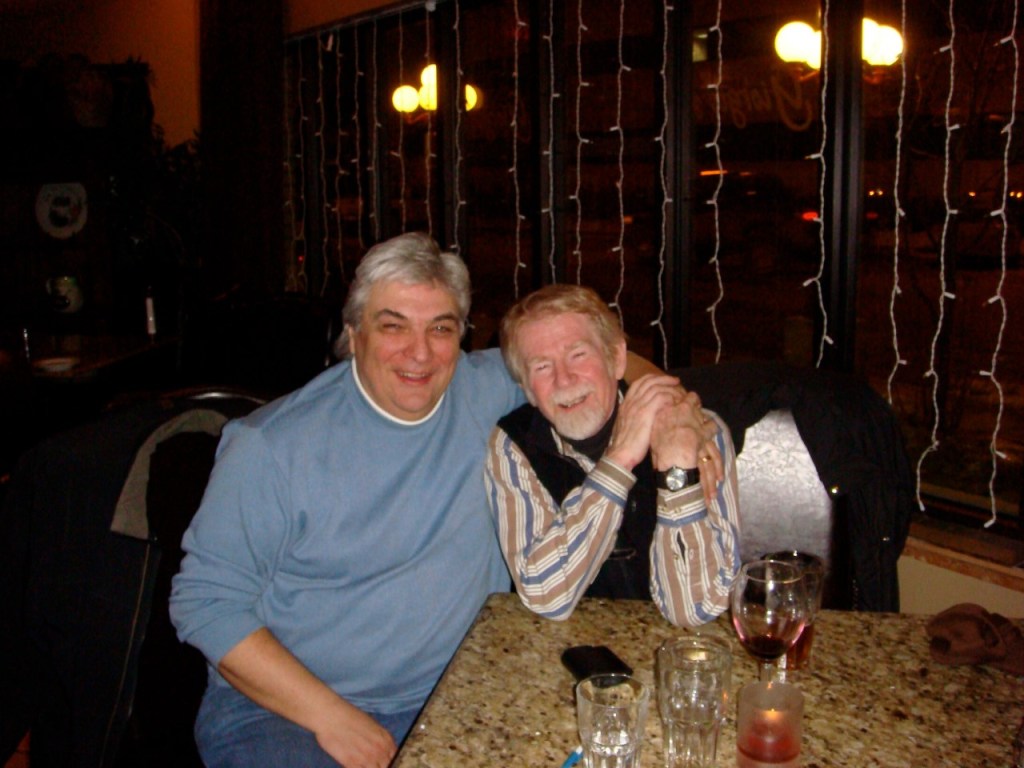
I have also had several long discussions with him about his work as a prosecutor. This work has had an emotional impact on him. I knew without reservation it would be a well-written book. This response is certainly different from the one I originally had. Over 20 years ago, when I was offered his first book to read, Dancing with a Ghost, I felt differently. Back then, I didn’t know Rupert. He is an exceptional kind man, and I am proud to consider him my friend.
I am certain that writing a book as a non-Indigenous person on Indigenous spirituality and culture has its burdens. You have to be exceptionally meticulous that no white privilege bias seeps through. Additionally, you must acknowledge that your knowledge does not come from any experience as an Indigenous person. This is a shortfall. But what happens when most of your experiences comes from prosecuting Indigenous peoples? That certainly does give one a negative view of those peoples. You don’t exactly meet them in the best circumstances.
The dysfunction and chaos of remote Indigenous communities cause people to be in court before him. He served as a prosecutor. As a prosecutor, he was astounded by the level of violence he saw. He chose to engage with the Indigenous communities he served. He wanted to understand why they were producing so much tragedy. He also wanted to do what he can to help. Ross is fortunate. He encountered many Indigenous people, both men and women, who were willing to teach him. He was open to learning from them.
His books are not disingenuous. He understands the complexities of these traumas. He knows that the loss of traditional knowledge is a significant contributing factor. The history of residential schools is also a huge part of this dysfunction. To get to this understanding, you have to be a compassionate human. You also need to be a skillful and empathic listener. He obviously possesses these qualities. This is very obvious from the observations in his books. I got so excited to see a new book by him. I not wait to get started on reading it.
Rupert does not have a single prejudiced bone in his body. This is true even after 26 years as a prosecutor. He has seen the worst that humans can do to each other.
I quickly devoured the first half of the book. It does not disappoint. Reading the book felt like visiting with an old friend. It was like talking about other old friends. He cites a lot of the same people I know from my own work on indigenous healing. He expertly describes the layers and nuances. He reveals the underlying foundation of indigenous knowledge. This is impressive, especially for a non-indigenous person, I add. Someone once described his writing as revealing to themselves who she was as an indigenous woman. Indeed, his writing does give one pause to say: “Aha!”, “That is me”, or “that is my belief! He writes authoritatively, and you don’t get any feeling that he is being disingenuous or flippant in his observations. His respect for indigenous spirituality and knowledge is unmistakable.
Ross cleverly begins this book. He describes the Indigenous worldview. He explains our spiritual connection to the land and all living things on it. He further explains peripherally about the medicine wheel. He discusses the significance it has. He draws a correlation between it and Indigenous cultural relevance to everyday life. For me, that was an excellent place to start. It sets the foundation for how you would view the rest of the book. By acknowledging and emphasizing the Indigenous worldview, one can comprehend the chaos and dysfunction. This perspective led to the disempowerment of Indigenous peoples. This understanding allows for a greater appreciation of Indigenous peoples. It also fosters genuine respect for their culture.
I had to take the second part of the book more gradually. This was due to how he described the trauma experienced by former residential school “survivors”. This really hit home. It was not because I had experienced any abuse when I was in residential school. It was because I can empathize with the children who did. I had to take many breaks because my eyes would burn from tears that were difficult to hold back. I stopped reading. It brought up thoughts about close family members who experienced similar trauma while in the same residential school. Some of them are no longer with us.
Finally, Ross identifies how our Indigenous worldview is key to success in some healing modalities. This is especially true in Indigenous communities. In other words, to acknowledge our cultural place in time and space is the best way towards healing. And we must embrace it. We must embrace the teachings of our ancestors. That is where our power lies.
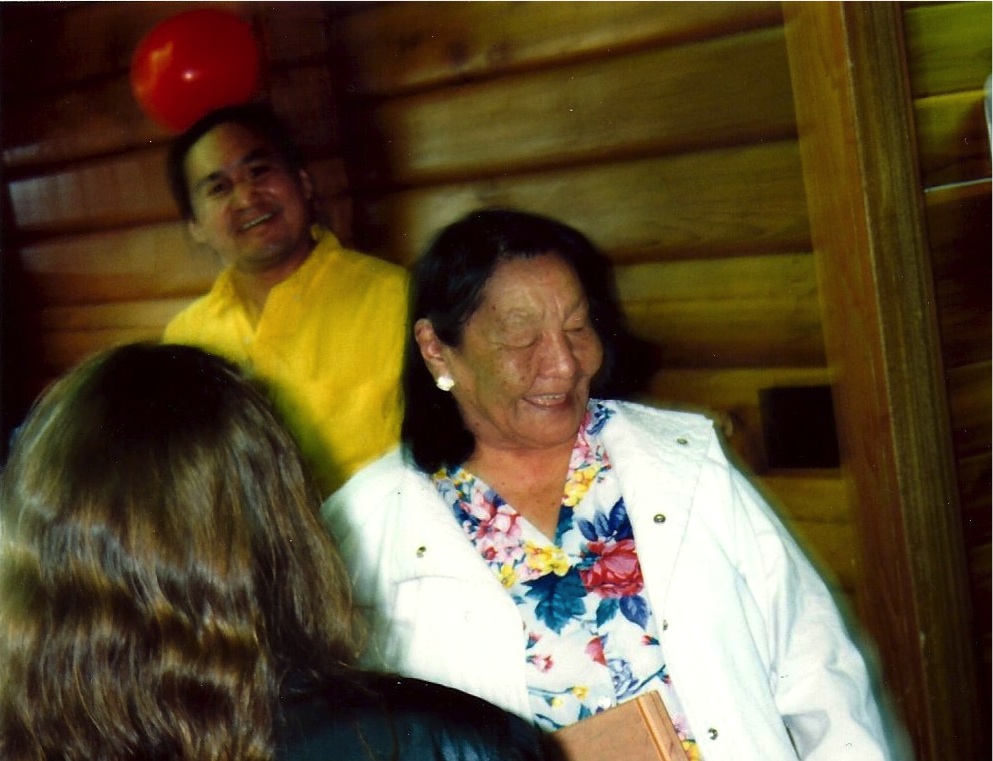
Who should read this book? If you are an Indigenous person, or even know one, I highly recommend this book. It is also recommended for students, lawyers, or other professionals who work for and with Indigenous communities. my mom and late brother Pat/

 From the Shores of the Ottawa River
Leave a comment