Human beings are inherently social. A sense of belonging is a basic psychological need. Whether through relationships, family, or work, our connections to others shape our identity and well-being. In Japanese culture, there is a concept called ikigai—meaning “reason for being.” It describes the intersection of purpose, passion, and fulfillment.
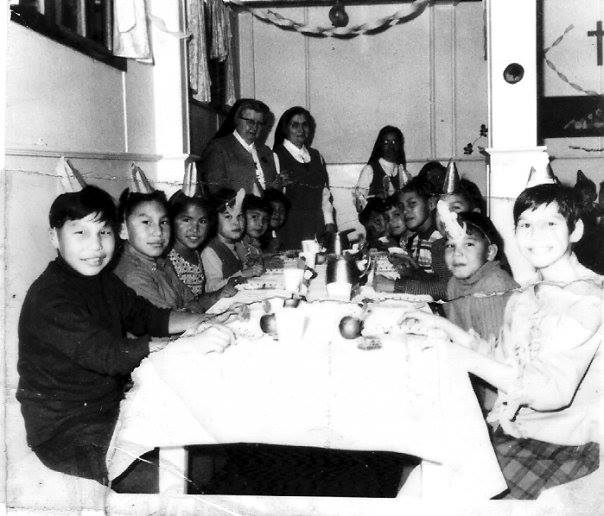
I attended Holy Angels Indian Residential School, located in a small hamlet in Alberta, for seven years. I know that cultural genocide is real. The goal of these schools was to destroy Indigenous culture and identity, and in many ways, they almost succeeded.
I was spared some of the abuse. I never experienced sexual or emotional harm. However, some of my siblings and classmates were not so fortunate. I remember sitting in the front row with my brothers, who carried untold trauma from their time there.
Years later, I became a university student studying Culture and Arts at the University of Warsaw. During this time, I visited historical sites across Europe. One day, I stood in Auschwitz, in the place where Holocaust victims were once gassed in the showers. Overwhelmed, I stepped away from the group and sat outside, crying. It was a moment that has never left me. I asked myself: How can humans be so cruel?
The extermination policies of the Nazi regime systematically murdered millions—Jews, Roma, disabled people, and others deemed “undesirable.” The survivors bore deep psychological wounds, yet many found purpose in ensuring the world never forgets. Psychiatrist Viktor Frankl was himself a Holocaust survivor. He wrote in Man’s Search for Meaning about human choice. Even in the most dehumanizing conditions, human beings can choose their response. He believed that meaning could be found even in suffering, and that this search for meaning is what allows the human spirit to endure.
I recognized this truth in my own journey and in the resilience of my people. The residential school system, like the camps Frankl survived, was designed to strip away identity, dignity, and hope. Just as Frankl found a renewed purpose to help others in finding meaning, many Indigenous people have regained their languages. They have also reclaimed their ceremonies. They have revived their traditions as a way of saying: We are still here.
Frankl taught that when we can no longer change our circumstances, we are challenged to change ourselves. That teaching has guided me through my own healing and shaped my ikigai—my reason for being. Despite what was taken from us, we continue to live with intention so future generations will thrive.
My time in the residential school system and what I saw in Europe shaped my understanding of trauma. These experiences also influenced my perception of human behavior. These experiences gave me a lifelong commitment to address the lasting impact of such suffering.
For several years, I served on the board of the Nechi Institute: Centre of Indigenous Learning. I eventually became Chairperson before stepping down in 2021. Soon after, I founded the Seventh Generation Indigenous Foundation and Training (GIFT) www.seventhgift.ca, a charitable organization focused on addressing addiction and trauma in First Nations communities through land-based cultural teachings.
Through these personal experiences, I discovered my ikigai: to support those healing from trauma and addiction. Today, I continue that work through my Empathetic Witness podcast, keeping the conversation alive.
My guiding principle—my ikigai—is simple: to help others heal.
 From the Shores of the Ottawa River
Leave a comment