National Truth and Reconciliation Day
September 30, 2025
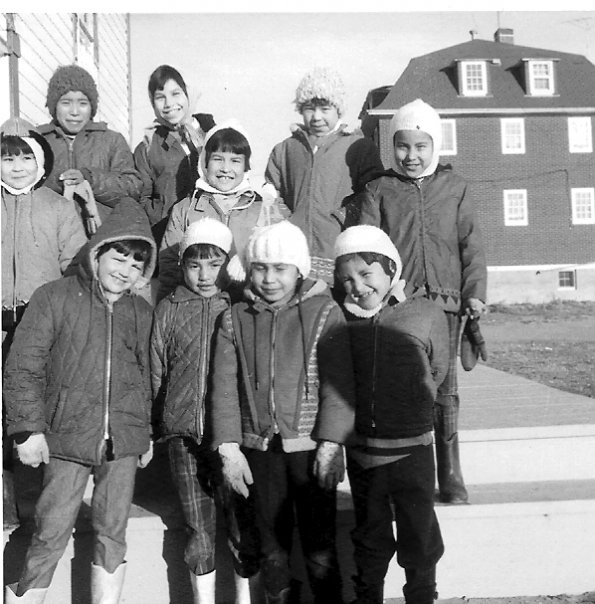
I am a survivor of Holy Angels in Fort Chipewyan. back row 2nd wearing a scarf. I carry both hope and pain in my spirit on this day. I spent 7 years there.
Many wear orange shirts in solidarity. I acknowledge the effort behind this gesture. Yet, I find it to be somewhat hollow. Many survivors face a day filled with the weight of memories and loss. This overshadows the well-meaning intentions of social media campaigns.
In 2025, it is deeply troubling that many First Nations still lack access to clean drinking water. This injustice should be at the forefront of our conversations today, rather than merely recounting painful histories. The wearing of orange shirts is only a first step. We must collectively do more.
The legacy of Indian residential schools has left deep scars in our communities. These scars manifest in issues like addiction, unsafe drinking water, and homelessness. These challenges are not just statistics. They are the lived experiences of individuals and families. These people continue to suffer from the trauma inflicted by these institutions.
Truth and reconciliation demand more than remembrance; they need genuine understanding, collaboration, and support. Yet, we have much ground to cover.
Today, I feel an urgent need to protect our survivors from the burden of reliving their traumas. This day often becomes a stage for them to recount stories. These stories reopen trauma and the wounds that are usually borne silently. Many are compelled to share their pain on this day. Sharing forces them to confront their trauma all over again.
I ponder daily on my own experiences, not just on this designated day. My heart is saddened for those who must publicly revisit their past sufferings at various organized events. I long for a day when they can simply feel seen and heard.
National Truth and Reconciliation Day was established after the 94 Calls to Action from the Truth and Reconciliation Commission. Ideally, it should be a day of healing, but too often, it feels like a raw and open wound. The focus can become skewed, placing unrealistic demands on Indigenous peoples to lead a day that is inherently theirs.
As we watch this day, let us shift our focus to actions that genuinely support Indigenous communities. We should invest in their priorities, listen to their needs, and stand in solidarity. This should be the essence of our remembrance, not an exercise in reliving trauma.
True reconciliation requires working together, building understanding, and fostering a spirit of partnership. It is only through individual commitment that we can collectively create meaningful change. What can you do as an individual? Start by educating yourself, advocating for policy changes, and supporting Indigenous-led initiatives. We still have a long way to go.
 From the Shores of the Ottawa River
Leave a comment