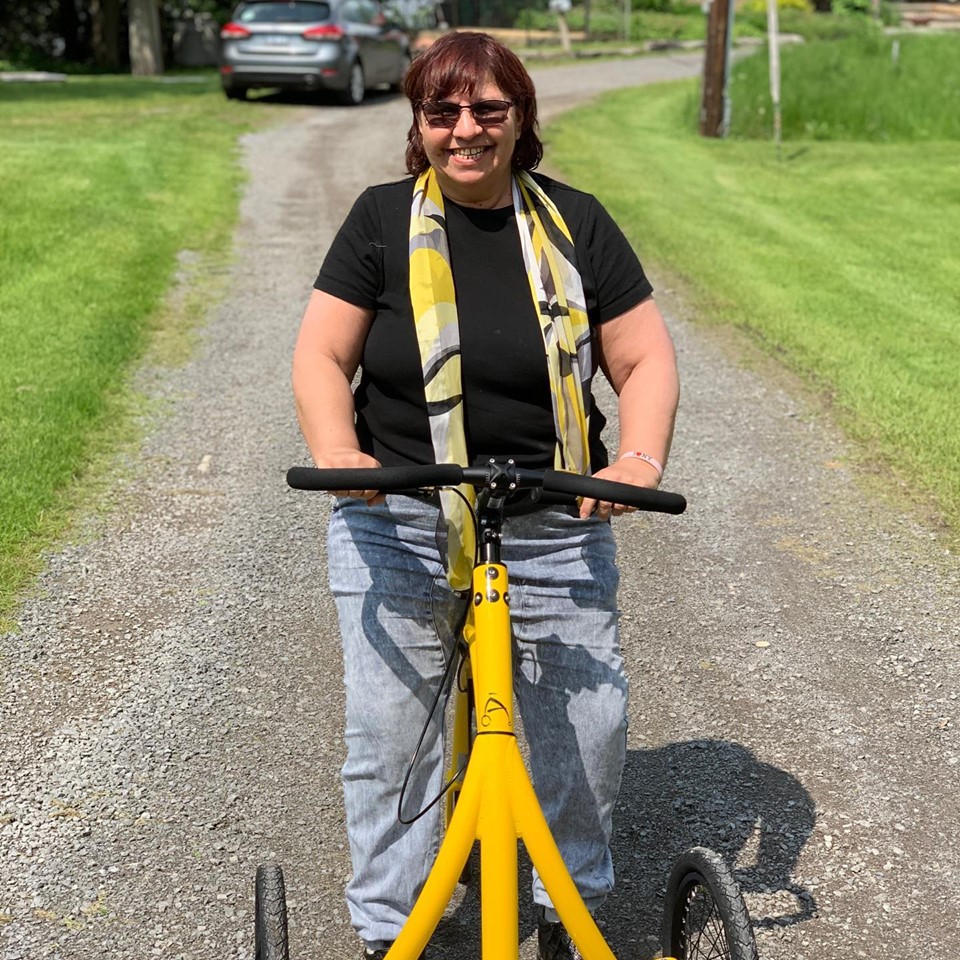
This blog is my personal observations. They come from my time as a patient at Elizabeth Bruyère Physical Medicine and Rehabilitation Hospital, Clinic. I also received care from Ambulatory Stroke Services. I experienced excellent care after suffering a stroke. I later became an outpatient under the care of Dr. Hillel Finestone. I also give some recommendations. These address the issue of shortfall in meeting the needs of Indigenous patients whose first language is not English.
On February 21, 2019 I completed a 9 week Goal Management Training Course delivered by, that hospital in Ottawa. It was an intensive course Designed to improve memory and cognitive thinking.
I acknowledge Dr. Finestone for his referral to Dr. Valérie Mertens and recommending me to take this course. My participation in this course has sharpened my memory and enhanced my response to problem-solving. I am grateful for the opportunity this afforded me.
I recall my first session. It involved an intensive four-hour psychological assessment. The assessment exhausted me both emotionally and mentally when completed. Following that we scheduled 90-minute sessions over a four-month period. The first session identified specific areas which needed improvement and created a baseline of my abilities. The program was designed to strengthen my working memory. It directed me towards improving my coping skills. The program did this by teaching techniques in planning, problem solving, processing, and execution of tasks.
Like anything, you can have the best designed program. Yet, if you don’t put in individual effort, you will not achieve success. The program is designed for this success. My intention when I agreed to take the course was to be in it 100%. I worked diligently on the assignments and was engaged completely in all of the 90-minute sessions. Likewise, it was clear to me that Dr. Mertens also gave her all to the sessions. I was impressed with her approach to our sessions. She showed up enthusiastically which I observed in her demeanor she was a joy to work with. I jokingly referred to our sessions as “playtime.” We had so much fun. We never lost sight of the fact that it had an important function. We had to achieve particular goals in each session.
At the conclusion of the course I thought that the occasion should be marked with a certificate of sorts. It is my training as a former teacher. But her efforts needed to be acknowledged in appreciation for her dedication to my healing. Therefore, I gave her a certificate to mark the occasion. I also gave her a book I thought she would enjoy as a neuroscientist, called The Circadian Code.
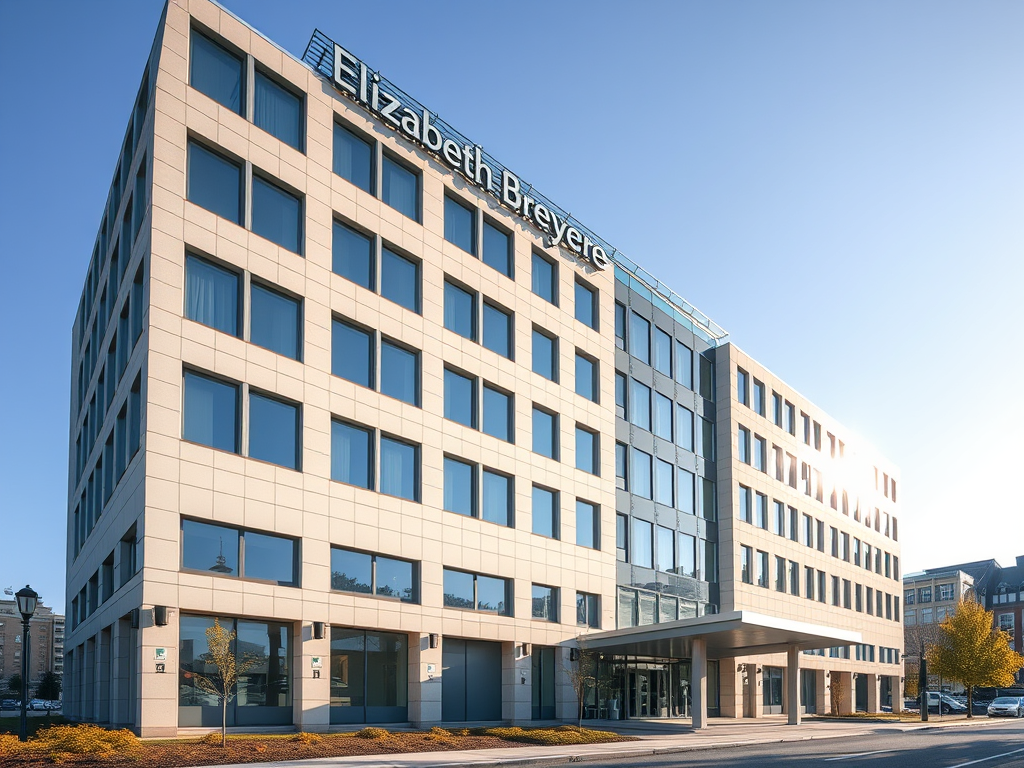
Overall my experience with Elizabeth Bruyère Hospital Physical medicine and rehabilitation Clinic and Ambulatory Stroke Services was excellent. Admittedly, there were some issues I identified in earlier blogs here, here, and here regarding cultural insensitivity. This was particularly relevant in my situation as a former residential school student. Some of the institutional processes triggered my memories of disempowerment. I believe that this experience hampered my recovery to some degree.
I am grateful for this experience. I couldn’t imagine what the cost of this care would have been without our Canadian universal healthcare system. And, I highly recommend it be offered to other stroke patients.
The delivery of healthcare to Indigenous patients continues to preoccupy me. It matters a great deal to me, especially as an Indigenous patient myself. If healthcare professionals undertake a better understanding of Indigenous culture, it means substantially quicker recovery. It also leads to better reintegration back into a patient’s former life. The solution is to improve communication. Additionally, the health care system needs to better understand the experiences that Indigenous patients have encountered.
I have some initial ideas for addressing the communication gap between doctors, physiotherapists, occupational therapists, and nurses. One idea is to design a protocol for the professionals. This protocol will help them in their day-to-day interactions with Indigenous patients. It is like a process in the criminal justice system. This process ensures that Indigenous people are understood and understand. Special rules for sentencing of Indigenous offenders are set out in the Criminal Code. The Supreme Court of Canada expanded upon them in R. v. Gladue, [1999] 1 SCR 688.
Once such a framework has been embraced, the next step would logically be to offer a workshop. This workshop should be 2 hours long and focus on cultural sensitivity. it is the first time professionals are exposed to the unique history of indigenous peoples.
As I see it, the main obstacle is not the lack of sensitivity or interest towards an Indigenous patient. The professionals I interacted with conveyed a keen interest. They showed a willingness to be sympathetic. But, the problem is the technical difficulty in communication. This challenge exists between the health professionals and the Indigenous patients who do not speak English. For many patients coming from isolated Indigenous communities in the North, English is not their first language. Certainly, those patients would be reluctant to speak up about something. They would hesitate if it didn’t make sense to them.
Having experienced rehabilitation, it is clear to me that interactions with foreign language speakers are emotionally exhausting. For a stroke patient, this impact is even more severe. Some cultural references would be alien to an Indigenous speaker. The results of those types of interactions will leave the patient feeling inadequate, inferior, and constantly anxious.
The reason Indigenous languages are important is largely due to the impact of residential school systems. As I explained in a previous blog post, these systems forced more than 150,000 children across Canada from their homes. They were sent into residential schools. The children were indoctrinated into mainstream society. Many were brutally punished if they attempted to use their Indigenous language. The explicit goal of the residential school system was to interrupt the transmission of language from generation to generation. This aimed to effectively extinguish Indigenous languages. Alongside languages, their beliefs and cultural worldview were also targeted.
Some hospitals in Alberta (where I am from) have a high demographic of Indigenous patients. These hospitals have incorporated Indigenous translators on staff. They are available either for the initial intake or as part of ongoing care. This is required to explain technical medical procedures in the Indigenous language of the patient. It also ensures that informed consent is obtained for these procedures.
I believe the success of these programs are evident in the recovery of patients returning to their Indigenous community. They recognize their specific medical issue. They also better understand their responsibility for their own care when they leave the hospital. In particular for stroke victims, it is crucial to ensure that the patient continues to succeed in recovery. This success must be maintained after they leave the hospital. To that end, communication is vital, at the onset, during rehabilitation and after they are discharged.
This is an important issue not only because of the resources for patient’s recovery. More importantly, it is crucial in light of the Truth and Reconciliation Commission’s Report. The report recommends that Canada do more to recognize the disparity of service levels to the Indigenous population. Many Indigenous people have an understandable mistrust of government. This extends to any person in authority. They are skeptical of any change. Therefore, a program should be developed including Indigenous input.
I am confident that a program could be developed. The excellent professionals on the stroke floor of Elizabeth Bruyère Hospital execute it successfully. This is possible if there is a willingness for it.
 From the Shores of the Ottawa River
Leave a comment